K-Entertainment
A Broadcaster Returns: Kim Se-yeon Back on KBO Duty
8/13/2026
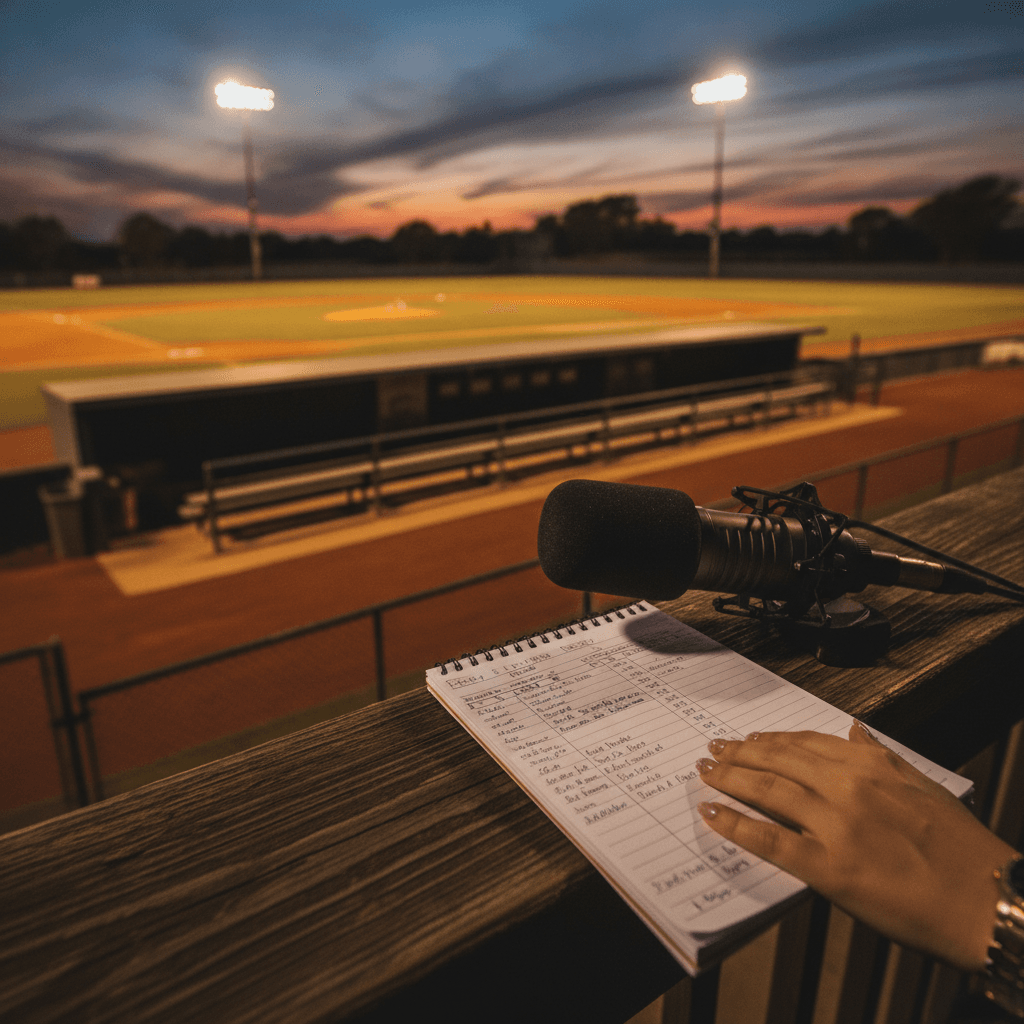
Back at the Mic in Jamsil
On August 13, the Doosan Bears hosted the Hanwha Eagles at Jamsil Baseball Stadium in Seoul, part of the 2026 Shinhan SOL KBO League season. Before first pitch, a photographer caught announcer Kim Se-yeon preparing for her broadcast on the edge of the field. The image circulated quickly online, largely because of one detail attached to it: a return after maternity leave.
For readers outside Korea, some context. The KBO League is South Korea's top professional baseball competition, and its broadcast culture is unusually personality-driven. Play-by-play crews, sideline reporters, and studio hosts are followed by fans almost like members of the teams themselves. So when a familiar on-air face disappears for a stretch and then reappears, the audience notices immediately — and a routine sideline photo becomes a story.
What the "still beautiful" framing misses
The original photo caption leaned on a familiar phrase — that she had come back "as beautiful as ever" after childbirth. It is a conventional line in Korean entertainment photo captions, but it is worth pausing on, because it recurs almost every time a woman in broadcasting returns from leave. The actual news here is not appearance. It is the return to work itself.
Sports broadcasting runs on seasonal cycles. Miss a stretch of a season and the roster, the injury list, the standings, and the storylines have all moved on without you. The KBO plays 144 games per team, 720 in total across the regular season, and a host walks on camera each night carrying lineups, recent form over the last ten games, head-to-head history, and the development arc of every rookie worth mentioning. Rebuilding that mental database after time away is real, unglamorous labor. "Ready to do the job again" is a more accurate description of a comeback than any compliment about looks.
The career-gap problem
Much of Korean sports broadcasting runs on freelance contracts rather than staff positions. That distinction matters enormously. A staff announcer at a network has a job to come back to; a freelance host who steps away for a year may find the slot has simply been filled by someone else. Which is why a comeback becomes newsworthy at all — and that, read honestly, signals that returns are not yet routine.
There is a sense among industry observers that more women in Korean sports media are now returning after having children than a decade ago. Part of the explanation appears to be the growth of non-broadcast content — club-run YouTube channels, podcasts, digital shows — which lets a presenter stay visible and connected during a gap, then transition back to live duty. That said, this looks more like an accumulation of individual arrangements than a structural change in how contracts and leave are handled. It would be premature to call it reform.
Why "people" drive baseball broadcasts
The KBO has enjoyed a notable surge in attendance and viewership in recent years, and much of that growth came from content orbiting the games rather than the games alone: highlight clips, dugout candids, post-game interviews, and the chemistry of the broadcast booth. In that ecosystem, the host functions as a translator between game and fan, converting statistics and tactics into something a newcomer can enjoy.
That is why a change in the on-air lineup is not merely an internal staffing note. It affects how long viewers stay with a broadcast, how attached they feel to a particular club's content, and how much of the coverage spreads onward through social media. A single photo going viral fits that pattern neatly. Fans treat broadcast crews as season-long companions, and they register absences and returns accordingly.
What to watch next
Three things are worth following. First, the scope of the assignment. Whether a returning presenter is placed on field reporting, studio hosting, or interview duty shapes both airtime and long-term career trajectory. Second, schedule intensity. Sports broadcasting involves constant road travel, making it one of the harder jobs to combine with young children; how that is negotiated determines whether a comeback is sustainable or temporary.
Third, the timing. Mid-August sits in the tightest stretch of the KBO standings race, when the volume of information and the difficulty of live broadcasting both peak. Coming back at that point rather than at the gentler start of a season suggests someone joining with preparation already largely done.
The broader reading, then, is simple. This photograph is less a story about appearance and more a story about going back to work. In an industry organized around seasons, the goal is for picking the microphone back up after a gap to become unremarkable. That is the direction images like this one ultimately point toward.
Sources
Sources
- [포토] 김세연 아나운서, 출산 후 여전한 미모로 컴백 — starnewskorea.com