Gaming
Samsung Joins Call of Duty Development: A Display Play
8/17/2026
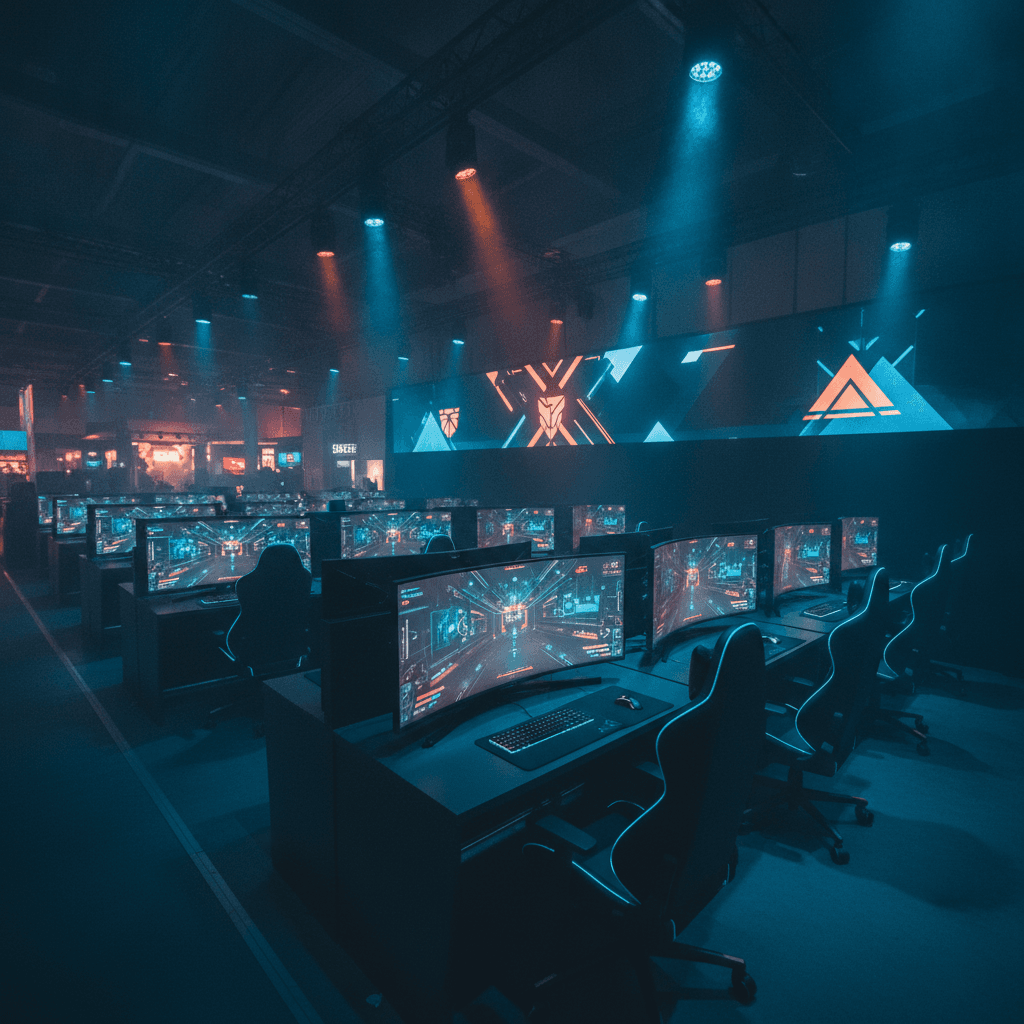
When a hardware maker gets involved before launch
Samsung Electronics has announced an official partnership with Activision Blizzard covering Call of Duty: Modern Warfare 4, the next entry in one of the longest-running first-person shooter franchises in gaming. The announcement, made on August 17, describes something more involved than a typical launch-window ad deal: Samsung says its gaming display technology was factored in from development.
The timing is the interesting part. Collaborations between display or PC manufacturers and game studios usually surface a few weeks before release, and usually amount to co-branded trailers and bundled promotions. This one is framed differently — as hardware characteristics feeding into the game while it was still being built. How deep that integration actually goes remains to be detailed, but the intent is clear enough.
Why this franchise specifically
Call of Duty has anchored the global FPS market for more than two decades. In Korea, where PC bang (internet café) usage rates are a closely watched industry metric, a major shooter release moves hardware demand across monitors, mice, and headsets in a measurable way. The genre is also the one most sensitive to refresh rate and latency. When engagements are decided in fractions of a second, a high-refresh monitor stops being a preference and starts being treated as equipment.
For Samsung, that makes this the ideal showcase for Odyssey, its gaming monitor line. Rather than publishing another spec sheet, the company gets to demonstrate the difference inside the title where the most demanding players actually are.
Gamescom 2026 and the booth strategy
Samsung will offer hands-on sessions with Modern Warfare 4 at Gamescom 2026 in Cologne, Germany, running from the 26th to the 30th. The demo zone inside Samsung's booth will run the game on Odyssey monitors.
Gamescom matters here because of its audience mix. Unlike trade-focused events built around business meetings, Gamescom draws an enormous consumer crowd — these are the people who actually buy monitors. Securing early hands-on access to a tentpole shooter is the most reliable way for a hardware brand to pull foot traffic. Queue length equals exposure is the oldest formula in trade show marketing, and it applies directly.
The competitive picture in gaming displays
The gaming display category has been running into diminishing returns on raw specification. Refresh rates have climbed past the point most players can perceive, and the permutations of resolution, curvature, and panel type are largely exhausted. As a result, competition has been shifting from hardware numbers toward content-linked experience.
Rivals have been playing similar cards: supplying official monitors for esports tournaments, releasing limited editions tied to popular titles, buying in-game brand placement. Samsung's move sits in that same lineage, but claiming involvement at the development stage pushes it a step further than the usual arrangement.
What consumers should actually watch for
Brand partnership announcements are easy to write and hard to verify. A few concrete checkpoints will reveal whether this is substantive:
- In-game optimization profiles: does the game detect specific displays and adjust settings automatically?
- HDR and shadow handling: visibility of enemies in dark interiors has been a long-running argument in competitive shooters. Does the collaboration produce a real answer here?
- Universality: if a feature meaningfully advantages one brand's hardware, questions about competitive fairness follow.
That last point becomes genuinely sensitive if the title enters organized esports. Tournament organizers standardize hardware precisely to remove equipment-based advantage. Neither company has published technical detail at this stage, so it would be premature to draw conclusions — but it is the right question to hold onto.
The takeaway
Two things stand out. First, the center of gravity in gaming hardware marketing continues to move from specification claims toward IP partnerships. Second, the studio side appears to have concluded that manufacturer-supplied display data is genuinely useful during optimization, not just a marketing checkbox.
Whether that translates into a better product will show up in two places: reactions from the Gamescom demo floor later this month, and community feedback once the game ships. Press release language is the least reliable indicator of the three.
Sources
Sources
- 삼성전자, '콜 오브 듀티' 신작 개발부터 참여…게이밍 기술 심었다 — metroseoul.co.kr
- 삼성전자, 액티비전 블리자드와 '콜 오브 듀티4' 파트너십…게이밍 경쟁... — newstnt.com