Samsung's SmartTag3 Finally Works With iPhones
What Samsung announced
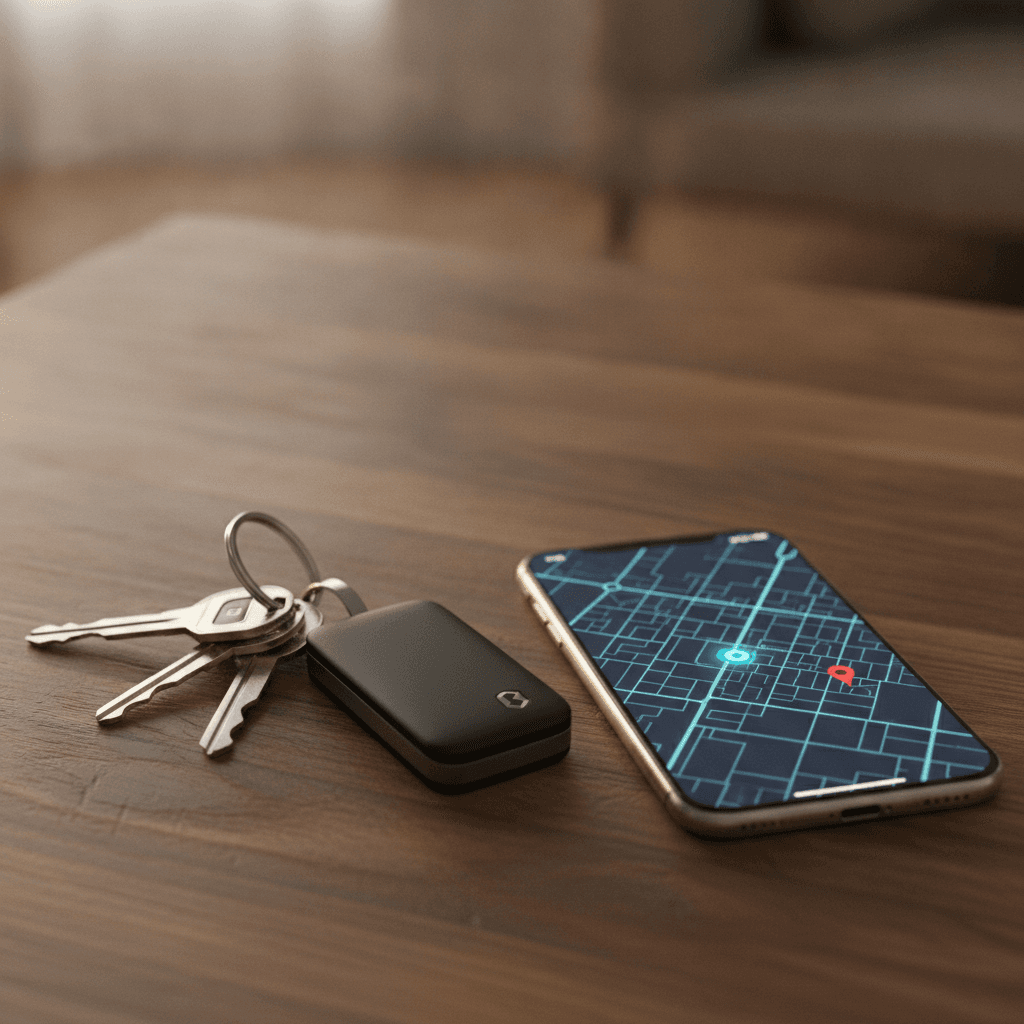
On October 1, Samsung unveiled the Galaxy SmartTag3, the third generation of its Bluetooth item tracker. These are small tags you attach to keys, bags, wallets, or a pet's collar so you can locate them from your phone — the same product category as Apple's AirTag and Tile.
Three changes stand out. The tag is smaller and lighter than its predecessor. Bluetooth search range extends to up to 60 meters, which Samsung describes as roughly triple the previous model. And most notably, location can now be checked from iOS devices, not just Galaxy phones. Samsung also added alerts triggered when a tag leaves a designated zone or detects movement.
Why iPhone support is the real headline
With Bluetooth trackers, the tag's own hardware matters far less than how many phones can find it. A tag doesn't broadcast GPS coordinates on its own. Instead, any compatible phone that happens to walk past it picks up its Bluetooth signal and anonymously reports the location to a server. More participating devices means a higher chance of recovering a lost item.
That has been the structural weakness of Samsung's tags. Apple's AirTag leans on the global installed base of iPhones, iPads, and Macs through its Find My network, while Samsung's SmartTag has effectively depended on Galaxy phones alone. In markets where iPhones dominate — North America and Japan — that gap translated directly into worse real-world recovery odds. Opening up to iOS looks less like a minor feature addition and more like an attempt to widen network coverage.
What isn't clear from the announcement is how deep the iOS support goes — whether iPhones can merely look up a tag's location, or whether they also act as detection nodes that help locate other people's tags. The size of the network effect likely hinges on that distinction.
The broader trend: trackers are becoming standardized
For a Korean-market product, this fits a global pattern. Over the past few years the walls between tracker ecosystems have been coming down. Apple and Google jointly pushed a cross-platform specification to warn users about unwanted tracking, and Google built out its own Android-based Find My Device network. Item trackers are shifting from platform-locked accessories to interoperable devices, and Samsung's iOS move sits comfortably inside that trend rather than defying it.
What changes for buyers
- Mixed-phone households. If one partner uses a Galaxy and the other an iPhone, shared items — a car key, a stroller, a dog's collar — were awkward to track. Cross-platform lookup makes a single tag usable by both.
- 60-meter range. The practical difference shows up less at home and more in parking garages or large lobbies where you need to sweep an entire floor. Keep in mind that Bluetooth range degrades sharply around walls, metal, and crowds, so 60m should be read as a best-case figure.
- Zone and motion alerts. This shifts the product from "find it after you lose it" to "tell me before I lose it," which is particularly useful for pets or for keeping track of an elderly family member's belongings.
Open questions
Pricing, launch timing by region, and battery life — the details that actually drive a purchase decision — haven't been fully detailed yet. It also remains to be seen how close the experience gets to AirTag's ultra-wideband precision finding, which gives turn-by-turn directional guidance in the final meters. Still, the fact that Samsung opened the gate first says something about this market: coverage now beats ecosystem lock-in as a competitive advantage.
Sources
- 아이폰까지 지원하는 '갤럭시 스마트태그3'…탐색거리도 3배 늘려 — newsis.com
- '갤럭시 스마트태그3', 아이폰도 연결된다 — fnnews.com
- 더 쉬워진 위치 확인…삼성전자, '갤럭시 스마트태그3' 공개 — nocutnews.co.kr
- 삼성전자, '갤럭시 스마트태그3' 공개…크기 무게 줄이고, 탐색거리는 ... — sportschosun.com