Apple's $2,000 Foldable iPhone: A Real Growth Engine?
What's being reported
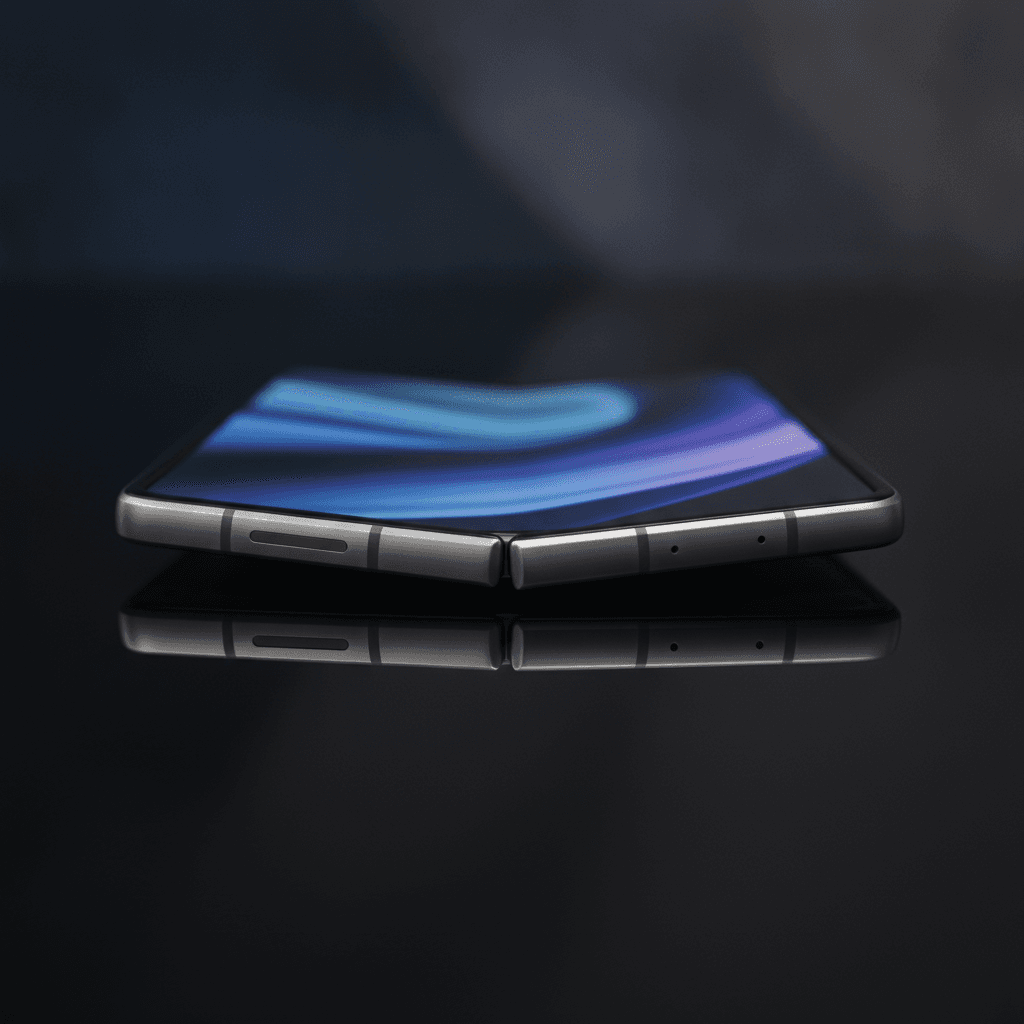
Multiple outlets now say Apple is preparing a foldable iPhone with a price tag around $2,000 — roughly double a standard flagship. At the same time, tech media are already publishing "cheaper foldables worth buying instead" roundups. Nothing is official yet, but the conversation has clearly shifted from whether Apple will make one to how much it costs and who buys it.
Why Apple is arriving late
Samsung opened this category with the Galaxy Fold in 2019. Apple has watched from the sidelines for more than six years — which is entirely in character. Apple was late to large screens, late to styluses, late to 5G, and each time it entered only once the hardware met its own internal bar. Given that creasing and hinge durability remain unsolved problems across the category, Apple's delay reads as engineering conservatism rather than hesitation.
The bigger context is iPhone growth. Replacement cycles have stretched out, and annual camera and chip upgrades no longer move average selling price much. A foldable is one of the few levers that can lift per-device revenue in a single step. Seen that way, it's a continuation of the same upsell playbook Apple has run with Pro models, titanium frames, and higher storage tiers.
Is $2,000 actually expensive?
Context helps. Samsung's Galaxy Z Fold line has launched in the US between roughly $1,800 and $2,000 depending on the generation, while the clamshell Z Flip sits near $1,000. Chinese vendors have pushed foldables well below those levels. So $2,000 isn't a new ceiling — it's a confirmation of the existing one. If anything, Apple validating that price band makes life easier for rivals already selling there.
What changes for buyers
The real shift is in the structure of the choice. Until now, wanting a foldable meant leaving iOS. For iPhone owners, foldables were a curiosity, not a realistic option. Apple entering means you could change form factor without changing ecosystems — the single strongest argument for an Apple foldable, and the thing Samsung should worry about most.
If you're price-sensitive, though, there's no reason to rush. Plenty of foldables already cost far less than Apple's rumored figure, which is exactly why "cheaper than the iPhone duo" lists are appearing. The industry rule of thumb still holds: first-generation foldables are expensive and unpolished. Hinge life, water resistance, and app optimization typically stabilize by the second or third generation.
Can it actually drive growth?
Foldables remain a niche — low single digits as a share of global smartphone shipments. Apple's arrival won't multiply that overnight. But for Apple, the metric that matters is dollars, not units. A small volume of very expensive phones can lift blended ASP and margin in a way that barely registers in market-share charts yet shows up clearly in earnings.
Two things will decide it. First, how cleanly iOS and third-party apps handle the folded-to-unfolded transition. Second, weight and thickness. If Apple doesn't beat rivals decisively on both, $2,000 is a hard sell. If it does, the mainstream perception that foldables are impressive but impractical could finally start to move.
Sources
- Apple Raised Stakes with its $2000-Priced Foldable. But Can it Be the New Growth Engine? — finance.yahoo.com
- 4 Folding Phones Cheaper Than The iPhone Duo Actually Worth Buying — bgr.com
- Why Apple Is Betting on Foldable iPhones — theinformation.com