OK Savings Bank Breach Exposes 250 Loan Applicants
What happened
OK Savings Bank, one of South Korea's larger non-bank savings banks, confirmed on October 15, 2026 that a hacking attack exposed customer personal data. According to the company, 250 customers were affected — all of them users of the loan application service on its website.
The breach surfaced during a detailed investigation by an external security monitoring firm. The bank says it is notifying affected customers individually by text message and email, and has opened a dedicated support line.
Why 250 is not as small as it sounds
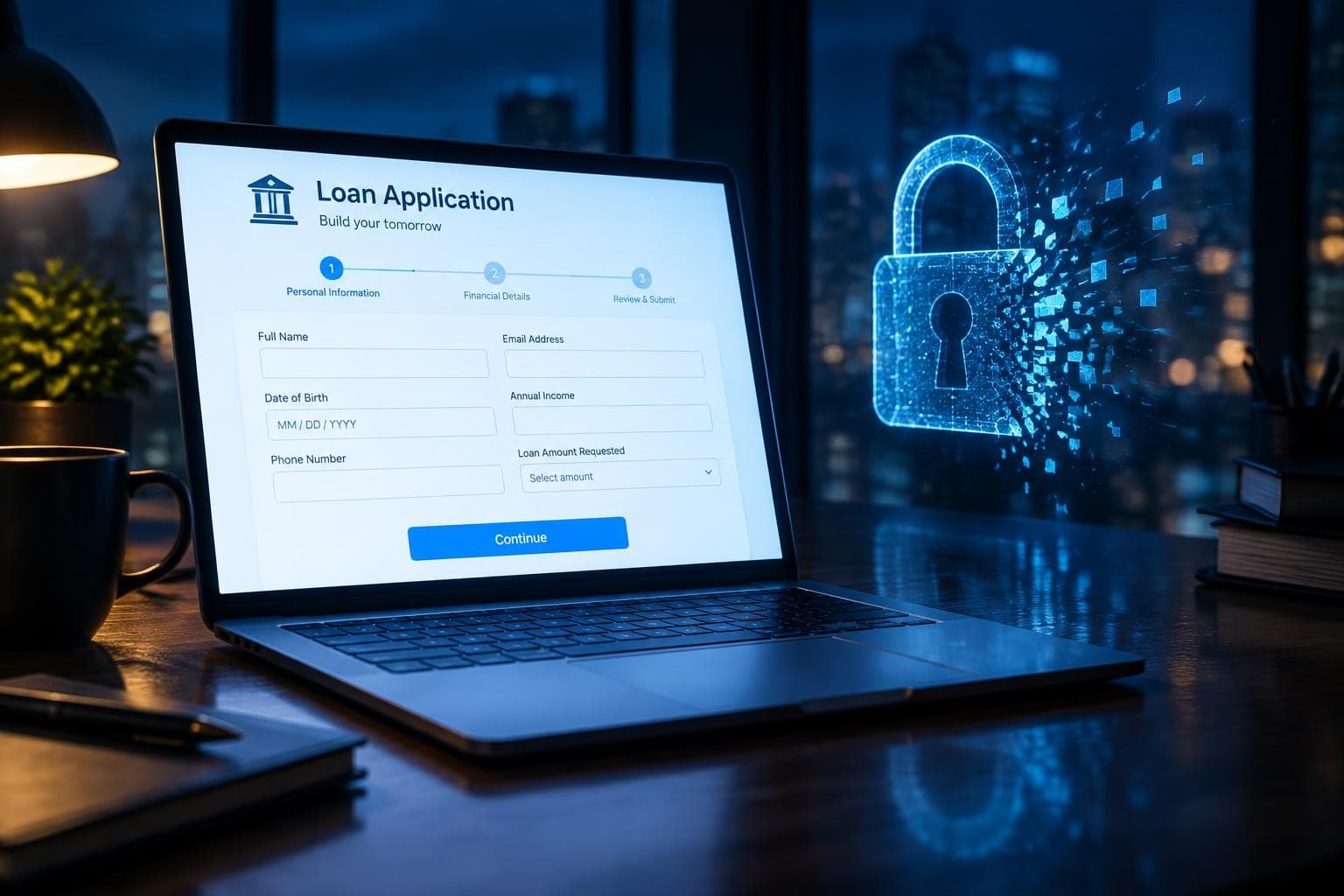
In an era of breaches measured in millions of records, 250 looks trivial. But the context matters: this data came from a loan application form. A typical signup leaks a name, phone number and email. A loan application collects a resident registration number (Korea's national ID, used across financial and government services), income, employer details, contact information and sometimes existing debt — essentially a complete financial profile per person, in one submission.
So the record count is low but the value per record is high. This kind of data is ideal fuel for targeted voice-phishing, which remains one of Korea's most damaging consumer fraud problems. A call that correctly references a loan application the victim actually submitted converts far better than a cold call. The act of applying for a loan is itself a signal that the person needs money — which makes the list unusually attractive to fraudsters.
The recurring weak point: public-facing application portals
A pattern has repeated across recent Korean financial and telecom incidents: the compromised system is often not the core internal network but a public-facing web service. These portals must be reachable from the open internet, and they change constantly as firms push new products and partner integrations, which creates blind spots in security review.
Savings banks are especially exposed here. With far smaller branch networks than the major commercial banks, they depend heavily on online acquisition, so a large share of sensitive loan data funnels through a handful of web endpoints.
The fact that an outside monitoring vendor found this cuts both ways. It shows continuous monitoring worked — but it also means internal detection did not catch it first.
If you're an affected customer
If you receive a notification, verify the notification itself. Secondary phishing campaigns impersonating breach notices routinely follow incidents like this. Don't tap links in the message; call the bank's official number directly.
Practical protective steps in Korea include registering with the credit bureau's identity-exposure alert program, checking all accounts and loans opened in your name through the Korea Financial Telecommunications and Clearings Institute's account integration service, and enabling your mobile carrier's identity-theft blocking service. If a resident registration number was involved, preventing a fraudulent loan opened in your name is the highest priority.
What's still unknown
So far, only the headcount and the affected service have been disclosed. Which specific data fields were taken, how the attacker got in, and when the intrusion began all remain unconfirmed, and the scope could be revised as regulators review the case. For customers, acting before the final number is the rational move.
Sources
- OK저축은행, 대출 신청자 250명 개인정보 유출 — news.tf.co.kr
- OK저축은행, 대출 고객 250명 개인정보 유출 확인 — newsis.com
- [속보]OK저축은행, 고객 250명 개인정보 유출 확인 — newsis.com