Hyundai's 5th-Gen Tucson Arrives After Six Years
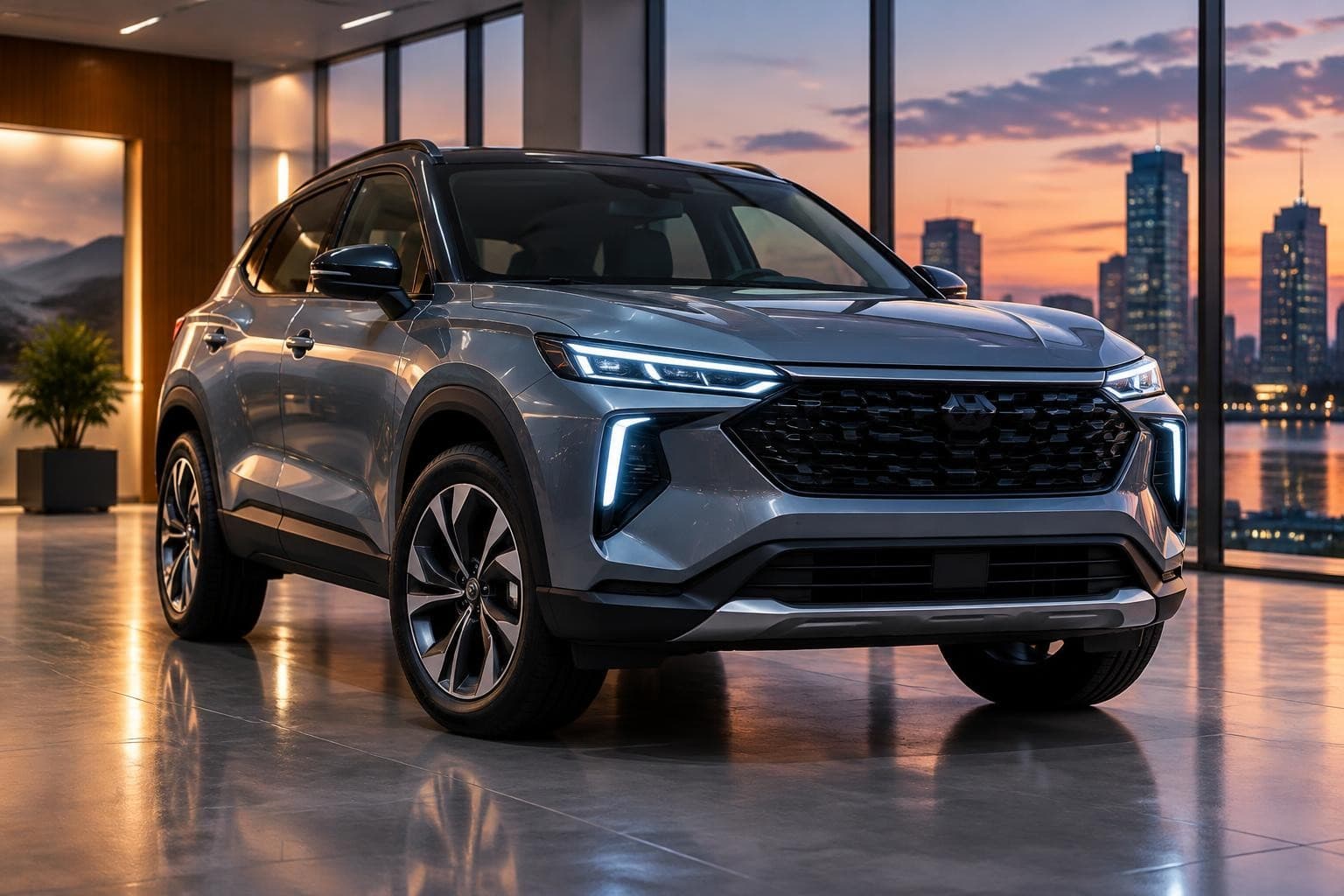
A full redesign, six years in the making
Hyundai has unveiled the fifth-generation Tucson, its compact SUV, with Korean pricing starting at 31.4 million won (roughly $22,000). It is the first full model change since the fourth generation arrived in 2020. Hyundai says the new powertrain delivers both better fuel economy and more output than the outgoing car.
The six-year gap is itself telling. Korean compact SUVs typically turn over every five to seven years, but the industry-wide pivot to electrification has squeezed investment in new combustion and hybrid platforms. The Tucson survived that squeeze because it is one of Hyundai's biggest global volume models — a nameplate the company cannot afford to let go stale.
Why it matters
Compact SUVs are the most contested segment in Korea. The Kia Sportage, which shares much of its platform and powertrain engineering with the Tucson, competes directly in the same class. KG Mobility's Torres and Renault Korea's Grand Koleos have pushed in from below on price, and imported compact crossovers crowd the upper end. The result is a segment where price is decisive.
Seen that way, the 31.4 million won entry price is a strategic choice rather than a neutral figure. Full redesigns normally push prices up as safety and convenience features expand, so where the base trim lands shapes how the car reads on a spec comparison table. Real transaction prices, though, will swing widely depending on trim, whether the buyer chooses the hybrid, and option packages — the headline number alone says little about what people will actually pay.
What the overseas reviews signal
International outlets have given the new Tucson favorable notices, with much of the praise focused on how well it works as a family vehicle. That matters commercially: the Tucson has been central to Hyundai's brand credibility in North America and Europe, and North American demand weighs heavily on its global volume.
The framing of the praise is worth noting. Reviewers have emphasized practicality and balance rather than styling drama or performance headlines. Compared with the fourth-generation Tucson, whose hidden daytime running light signature polarized buyers, this generation appears to be chasing broad product competence instead of visual shock value.
What changes for buyers
Better fuel economy paired with higher output is the most tangible improvement for everyday use. Compact SUV buyers typically mix commuting with weekend family duty, so efficiency gains show up directly in running costs. That said, official economy and power figures vary by trim, drivetrain (2WD or AWD), and wheel and tire specification, so it pays to separate headline catalog numbers from the figures that apply to the version you actually order.
If you are shopping, the checklist is straightforward. First, divide the gasoline-versus-hybrid price gap by your annual mileage to see how many years it takes to break even. Second, compare the standard safety and convenience equipment on the base trim against rivals, line by line. Third, weigh delivery wait times at launch against the discounts dealers are offering on remaining fourth-generation stock. The moment a new model generates the most buzz is not necessarily the moment it is the best buy.
Sources
- 현대차, '디 올 뉴 투싼' 대담하게 진화한 가격 … 3140만원부터 — starnewskorea.com
- "가족용 SUV로 손색없어"…현대차 5세대 투싼, 외신 '호평' 잇따라 — newsis.com
- 현대자동차, 6년 만에 새로운 투싼…연비·출력 더 키웠다 — hankyung.com