113 IT Failures, $5M Paid: Korea's Brokerage Problem
What happened
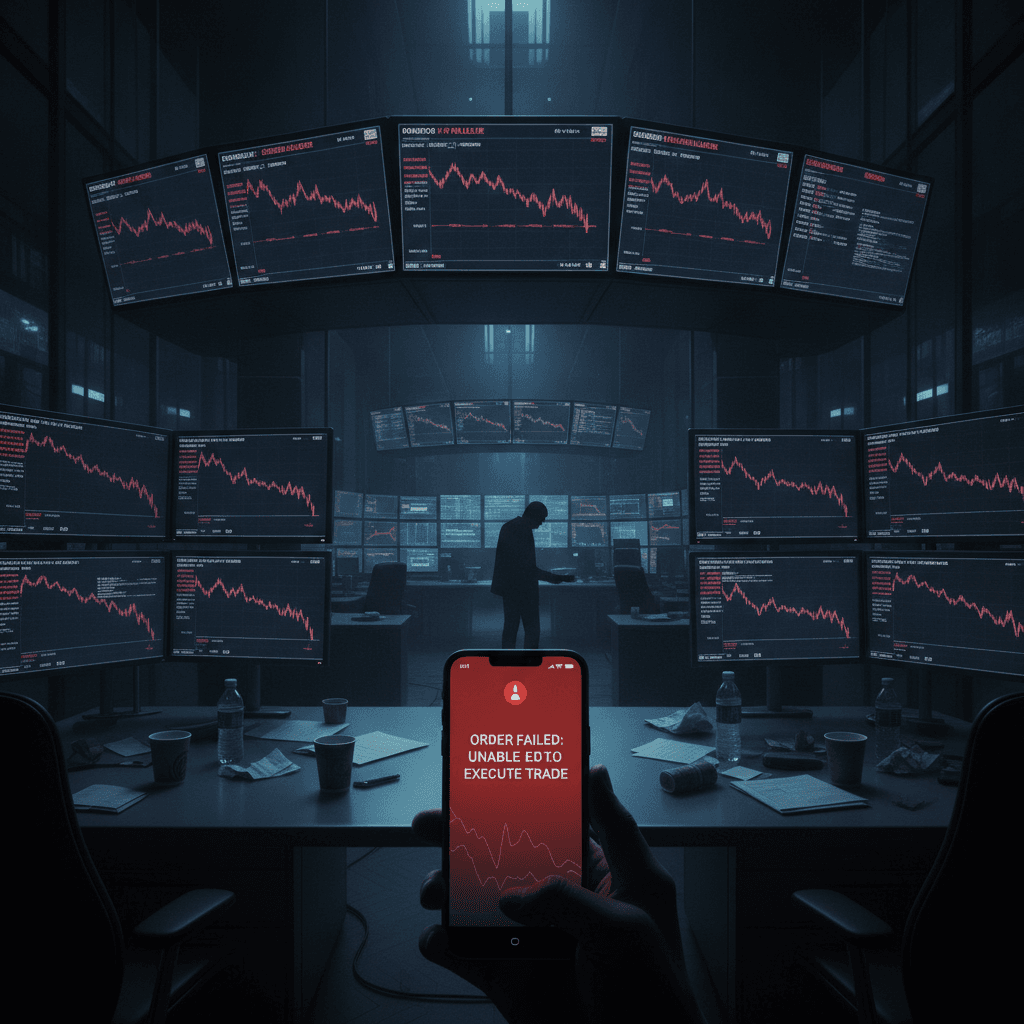
Data released through Korea's National Assembly finance committee shows that 113 IT system failures occurred at ten major Korean brokerage firms over a period of just under three years. The incidents affected 19,055 customers, with tallied damages of about 7.33 billion won and compensation payouts reaching roughly 7 billion won (around $5 million).
The leading cause was not hacking or external attack. Roughly half of the incidents were traced to software errors — defects in the systems themselves or problems introduced during updates. That breakdown is what prompted the lawmaker releasing the data to argue the firms have treated system reliability as an afterthought despite strong earnings.
Why this is surfacing now
Korean retail trading has shifted dramatically toward mobile. Account opening moved online, and the trading volume once spread across branch offices and desktop HTS platforms now funnels into a handful of smartphone apps. The result is that the first minutes after market open have become the single heaviest load window for these systems.
Layered on top are recurring traffic spikes: overseas stock trading sessions, IPO subscription windows, and sharp domestic market swings. When an outage or order-execution error hits during one of those moments, the damage is immediate and quantifiable in won. The figure of 113 incidents is less a story about bad luck than about infrastructure investment lagging a changed traffic profile.
How brokerage outages differ from bank outages
When a bank's systems go down, transfers and balance checks stall, and customers generally retry later. Brokerage outages are different because prices move by the second. If a sell order fails to go through during a one-minute window and the stock drops, that gap becomes an unrecoverable loss — and a compensation claim. The same technical fault carries heavier and more complex financial liability on the brokerage side.
It is also worth noting that the 7 billion won figure understates total user harm. Compensation only covers cases where a customer filed a claim and demonstrated loss. Investors who did not file, or who could not establish causation between the outage and their loss, do not appear in this tally.
What it means for investors
Two practical takeaways. First, compensation is not automatic. Your trade attempt record is the evidence — screenshots of failed order screens, timestamps, and the intended quantity and price are what determine whether a claim succeeds.
Second, concentrating all assets and order flow in a single brokerage app is a larger operational risk than most retail investors assume. If your primary app freezes during a sharp selloff, there is no fallback. Maintaining a second account, or at minimum knowing your broker's web-based trading login in advance, is a realistic hedge.
For the industry, this data is likely to increase pressure on IT staffing and pre-deployment testing. The fact that half the failures stem from software errors suggests a meaningful share is addressable through better release verification and incident-response procedures rather than purely through capital spending.
Sources
- '큰 돈 벌고도 보안은 뒷전'…대형證, 전산사고 배상 70억 달해 — yna.co.kr
- 큰 수익 벌면서 보안은 '뒷전'…전산사고 배상금 70억 — news.sbs.co.kr
- “큰 돈 벌고도 보안은 뒷전”…대형증권사, 전산사고 배상 70억 — mk.co.kr