4 in 5 Teslas in Korea Can't Run FSD — Here's Why
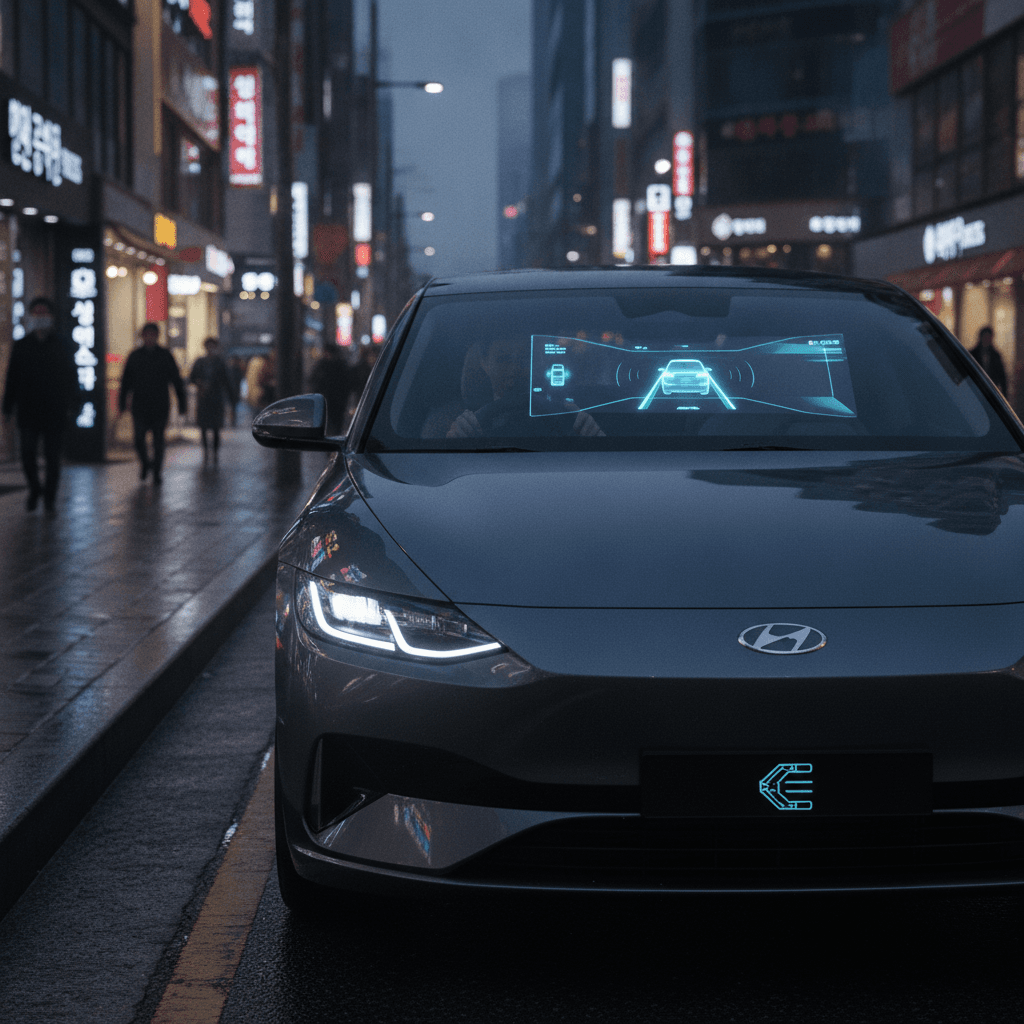
What the data says
Roughly four out of every five Teslas currently registered in South Korea cannot actually run Full Self-Driving (FSD), the software package the company has built much of its brand narrative around. The finding comes from a "CarChart AI data report" published by Kaizeu Data Research Institute, a Korean vehicle registration data firm, which puts the figure at about 80% of registered Teslas.
The reason points back to where the cars were built. A large share of Teslas sold in Korea come from Tesla's Shanghai Gigafactory, and many of those units carry hardware and software configurations that fall short of what FSD requires.
Why this is surfacing now
Tesla has long sold the idea that a car bought today becomes an autonomous vehicle tomorrow, via an over-the-air update. That promise props up not just transaction prices but the brand premium itself. The complication is that the compute chips and camera arrays needed for autonomy have been revised across generations. When a hardware gap software can't close exists, the owner waiting for an update waits forever.
Korea adds a regulatory layer on top. Domestic approval procedures for driver-assistance features, plus restrictions on high-definition mapping data and data handling, have meant Korea rarely receives the same features on the same timeline as North America. So this is best read as two constraints stacking: cars whose hardware doesn't qualify, in a market whose rules haven't fully opened.
How rivals frame the same thing
Hyundai Motor Group and the German premium brands have generally been more conservative in their marketing, labeling lane-centering and adaptive cruise packages explicitly as Level 2 assistance and reserving anything beyond that for specific models in specific regions. Tesla's feature is literally named "Full Self-Driving," which structurally invites a gap between the name and what a given car can actually do.
Tesla has in the past offered compute-unit upgrades for older hardware vehicles. Whether any equivalent remedy will be offered for affected cars in Korea has not been confirmed, which leaves pre-purchase verification as the only real protection for buyers right now.
What changes for buyers
Three practical consequences. First, used-car pricing may split: two cars of the same model year could diverge in residual value depending on whether the hardware supports FSD. Second, the pre-contract checklist gets longer — buyers should confirm the VIN, build origin, and compute hardware generation in writing. Third, anyone who already paid for the FSD option, or bought expecting a future activation, should verify their specific vehicle is technically eligible before assuming anything.
The underlying issue here isn't a defect in any particular car. It's the mismatch between a feature's name and its actual availability. As software-defined vehicles make "it'll come in a future update" a default sales pitch across the industry, consumers need to get in the habit of asking whether the hardware can physically deliver on that promise.
Sources
- 국내 테슬라 5대 중 4대 완전자율주행 못 쓴다…중국산이라 — news.jtbc.co.kr
- 자율주행 된다더니…테슬라 5대 중 4대 '깡통차' — biz.sbs.co.kr
- 완전자율주행 쓰려 했더니… 국내 테슬라 5대 중 4대는 못 쓴다 — kmib.co.kr