Kia Tops 100,000 EV Sales in Korea — an Industry First
What happened
Kia has become the first automaker — domestic or imported — to sell more than 100,000 electric vehicles in a single year in South Korea. According to the company's September 20 announcement, cumulative domestic EV sales reached 100,118 units as of September 17.
The growth rate is the more striking number. That total is up 120% year over year, and it means roughly one in every four vehicles Kia sold in its home market this year was fully electric. Very few volume brands anywhere are running at a 25% domestic EV mix.
Why now: the year the lineup filled out
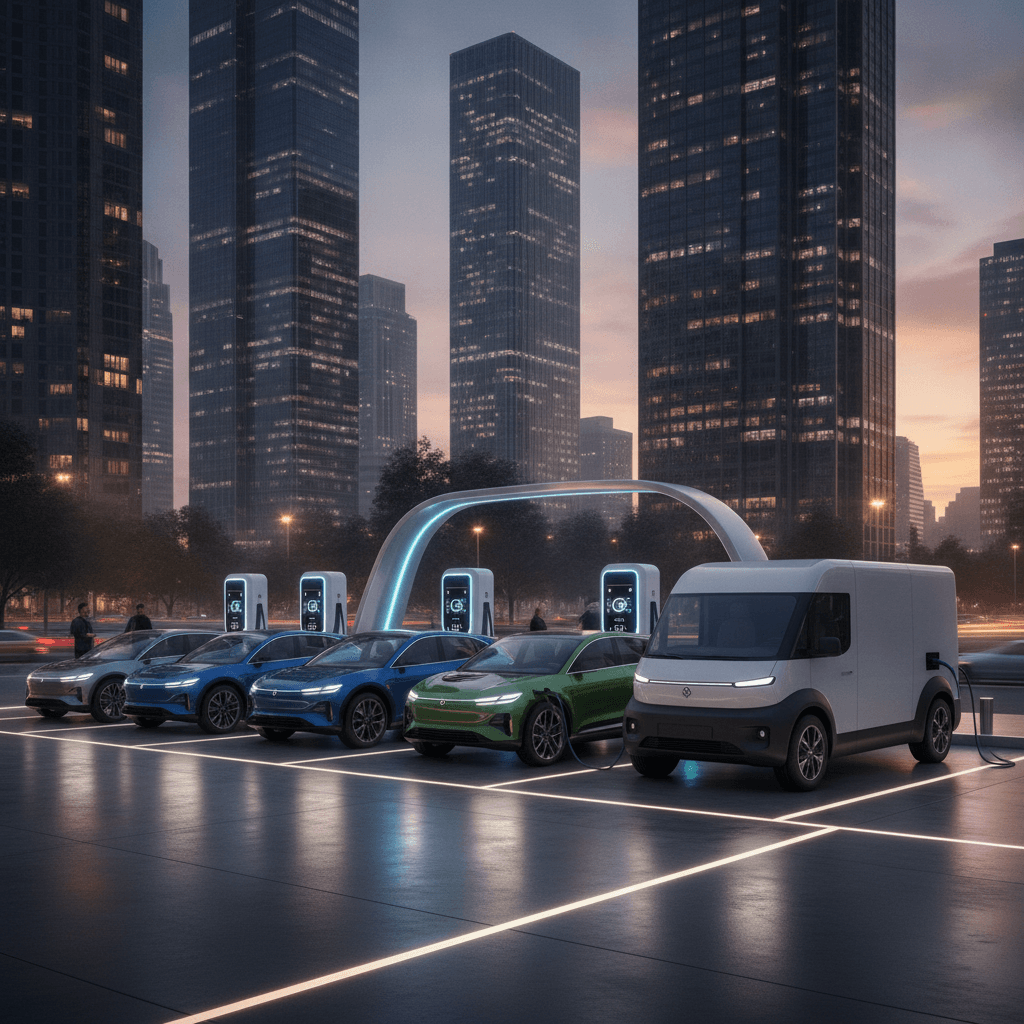
This isn't a one-off spike. Kia began its electrification push with relatively expensive models like the EV6 and EV9, but the volume came from the tiers below them. The company itself credits the EV3, EV5 and PV5 — compact and midsize electric SUVs plus the PV5, a purpose-built vehicle (PBV) designed from the ground up as an electric commercial platform.
Context matters here. Through 2023–2024, the Korean market was gripped by talk of an EV "chasm" — demand stalling after early adopters were exhausted. The most common diagnosis was that there simply weren't enough affordable options. Kia's numbers lend weight to that reading: fill in the lower price tiers and demand returns. Subsidy policy and charging infrastructure expansion likely played supporting roles as well.
How this differs from before
For years Korea's EV market was essentially split between pricey imports and larger domestic models. Reaching 100,000 units under one badge can't be done with a single hit car; it requires simultaneous sales across multiple segments. That's precisely why Kia frames the milestone around a full lineup rather than one model.
The PV5 deserves separate attention. Delivery fleets, car-sharing operators and corporate fleets drive long, predictable daily distances — the use case where EV running-cost math works first and most clearly. B2B demand of this kind may have supplied volume that consumer sales alone could not.
What it means for buyers
Scale changes three practical things. First, used EV pricing gets a reference point. The more units of a given model circulate, the easier residual values are to estimate — and depreciation uncertainty has been one of the biggest psychological barriers to buying electric.
Second, service access. Low-volume EVs tend to suffer thin repair networks and long waits for parts. Higher volumes generally pull service infrastructure along with them.
Third, competitive pressure. When one brand succeeds at mainstream price points, rivals have to answer with comparable models and pricing. The practical result is that choice and bargaining power shift toward the buyer.
The open question
One caveat: the figure is a cumulative total as of a specific date (September 17), and the rest of the year will depend on subsidy availability and new model timing. Whether this represents structural growth or a temporary surge from lineup expansion will only be clear in next year's comparable figures.
Sources
- 기아, 전기차만 10만대 팔았다…국내 완성차 첫 기록 — biz.sbs.co.kr
- 기아, 완성차 브랜드 첫 국내 전기차 연간 10만대 판매 돌파 — yna.co.kr
- 기아, 국내 전기차 연간 판매 10만대 돌파…완성차 브랜드 최초 — news.tvchosun.com
- 기아, 국내 전기차 판매 연간 10만대 첫 돌파 — sedaily.com
- 기아, 국내서 전기차 연 10만대 판매…완성차 브랜드 최초 — ddaily.co.kr