Peugeot Hints at Bringing Dongfeng-Built Model to Korea
What happened
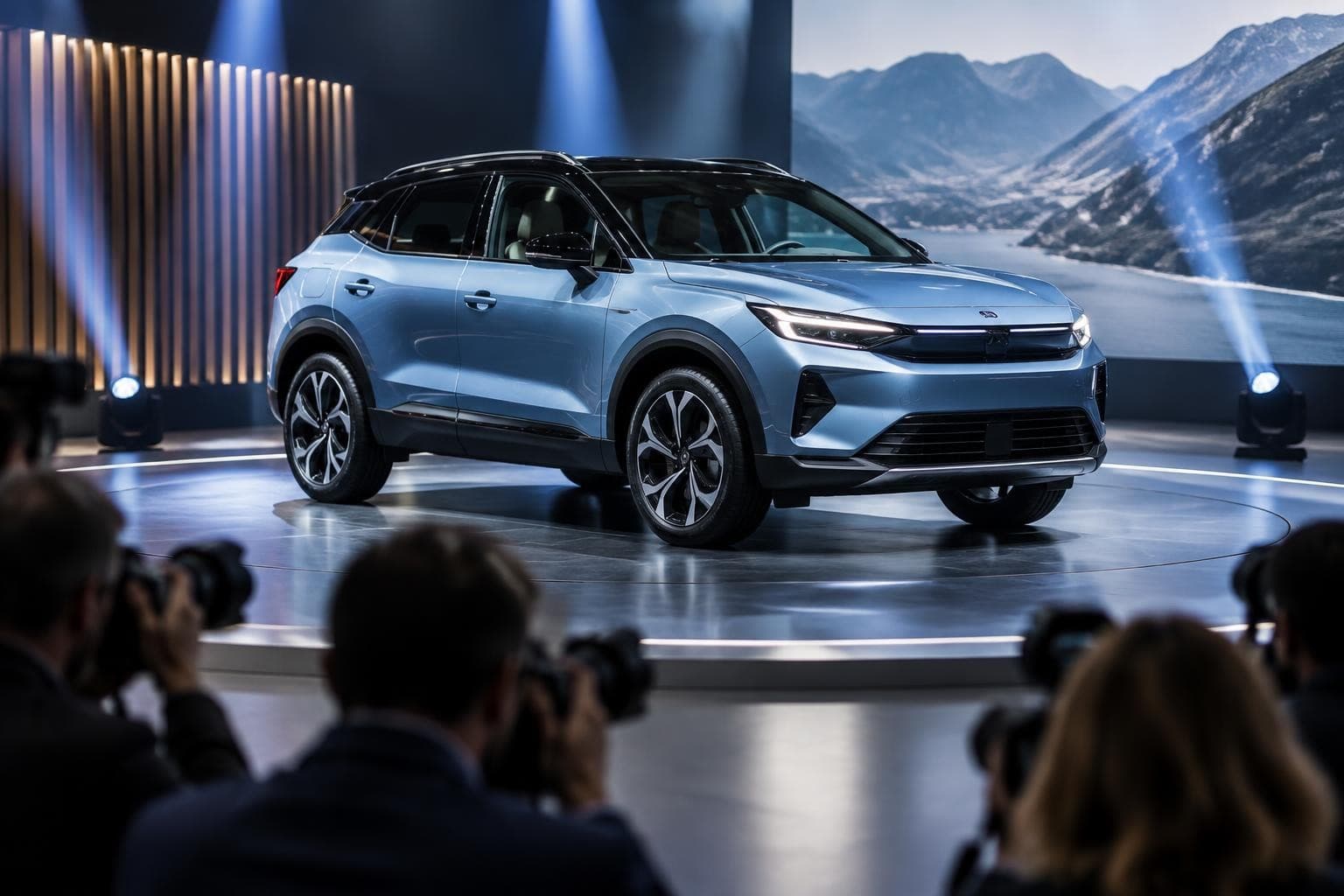
Peugeot has signaled that a new model it is co-developing with China's Dongfeng Motor could eventually be sold in South Korea. Speaking to Korean reporters at the Paris Motor Show on October 12, Peugeot brand CEO Alain Favey pointed to Korea's growth potential and indicated there was no particular reason not to bring the Dongfeng-linked model to the market.
According to the Korean reports, the vehicle is part of a plan to build in China and expand sales into overseas markets including Asia-Pacific and South America. No body style, powertrain, launch timing or pricing has been disclosed. It is worth stating plainly that this remains a hint, not a commitment.
Why this is coming up now
Peugeot's parent, Stellantis, has been trying to reduce its dependence on Europe and North America and grow in so-called "third markets." With European manufacturing costs high and electrification spending heavy, borrowing a Chinese partner's platform and factory capacity to create emerging-market models quickly has become a recurring pattern across the global industry. China-built, European-badged cars are no longer an anomaly.
Korea's mention also makes commercial sense. French brands have held only a marginal share of Korea's import market, which is dominated by German premium marques. Without a price-competitive new entry, Peugeot has little realistic path to a rebound on its existing lineup alone — and a China-built joint model is the cheapest and fastest way to fill that gap.
Comparison: China-built imports are already here
For Korean buyers, a Chinese-assembled import is not a new concept. Chinese-built electric commercial vehicles and some small EVs already sell in Korea, and several global brands have imported China-made cars into the market. The real question, then, is not country of origin but who controls quality and warranty — whether the factory output is held to the brand's own global standards and backed by the same local service terms.
Pricing is the other axis. Tariff and subsidy treatment of Chinese-built EVs differs sharply by market: the European Union imposed additional duties on China-made EVs, while Korea has not taken equivalent action. That gap could work in favor of importing a China-produced model into Korea. Still, the final sticker price depends on the vehicle type, powertrain and subsidy eligibility, so calling it a budget car at this stage would be premature.
What it would actually mean for buyers
Almost nothing is confirmed yet, so the practical move is to know what to check once the car is formally revealed.
- Warranty and parts: whether the official Korean importer applies the same coverage period and parts supply chain as existing Peugeot models, regardless of where it is built.
- Certification and subsidies: if it is an EV, whether its battery performance and energy density meet the thresholds Korea's Ministry of Environment uses to calculate purchase subsidies.
- Residual value: how production origin and brand perception affect depreciation in Korea's used-car market — knowable only after real sales volume accumulates.
Bottom line
This was a statement of direction rather than a launch announcement. It matters anyway, because it is another concrete signal that Europe-badged, China-built vehicles are edging toward Korean showrooms. Until specs, price and warranty terms are published, treat it as a signal, not a plan.
Sources
- 푸조 CEO "중국 둥펑과 신차 생산"…한국 출시 가능성 시사 — yna.co.kr
- ‘佛·中’ 협력 신차 한국 출시?…푸조 CEO, 국내 시장 잠재력 언급 — dt.co.kr
- 푸조, 中 둥펑과 개발한 신차 국내 출시 가능성 시사 … “안 할 이유 없... — biz.newdaily.co.kr