Lexus ES Goes Electric — and the EV Costs Less Than the Hybrid
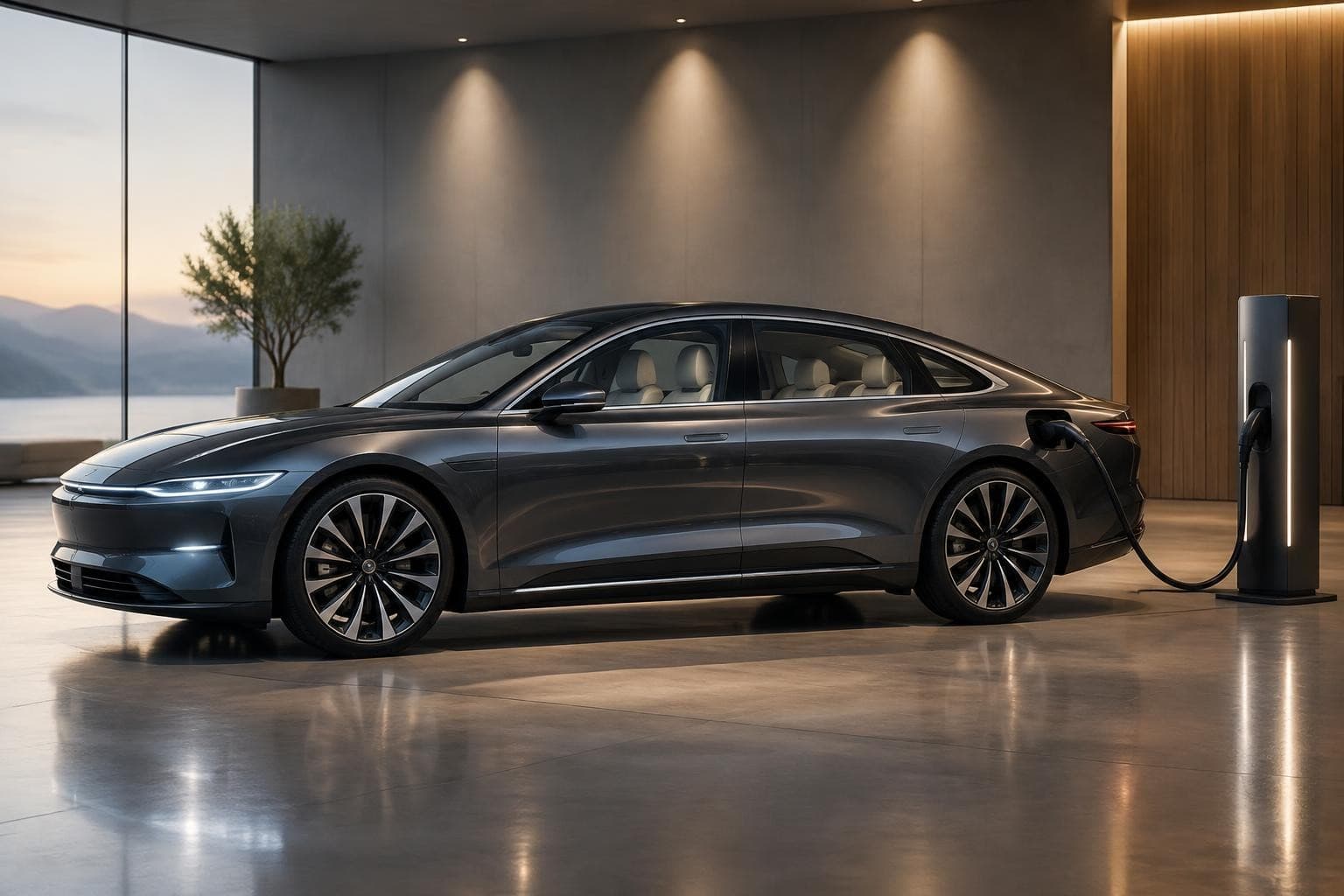
A full redesign after eight years — and the ES's first EV
Lexus Korea unveiled the eighth-generation "All New ES" at a media event in Seoul on October 13, marking the first full redesign in eight years. More significantly, it is the first ES generation to include a battery electric vehicle (BEV) since the nameplate launched alongside the Lexus brand itself in 1989.
The lineup spans nine trims: five electric and four hybrid. For context, the ES has long been one of the best-known imported sedans in Korea, built almost entirely on its reputation as a quiet, durable hybrid. Now that same badge covers two completely different powertrains — a concrete expression of Toyota and Lexus's "multi-pathway" electrification strategy, which keeps hybrids, plug-in hybrids, and EVs running in parallel rather than forcing a single transition timeline.
The headline is the price inversion
The number that stands out is the sticker. The electric ES350e starts at 71.6 million won (roughly $50,000), which is 1.3 million won less than the ES350h hybrid. The EV uses CATL battery cells and stretches past 5 meters in overall length.
Normally the EV variant of a given model costs more than its hybrid sibling, because battery packs are expensive. Here that logic is reversed, and several factors plausibly contribute. Battery cell prices have fallen substantially over the past few years, particularly for lower-cost chemistries. EV powertrains also eliminate transmissions and exhaust systems, simplifying the bill of materials at scale. But most importantly, pricing is a market-entry decision, not a cost readout.
Why this price, and why now
If Lexus had priced its first electric sedan above the hybrid, Korean buyers would have had little reason to take a chance on an unproven product. The ES hybrid already enjoys a strong reputation domestically for reliability and resale value — which means the brand's own existing product is the EV's toughest competitor. Undercutting it on price is the most direct way around that.
Korea's subsidy structure is another factor. National and local EV subsidies in Korea are scaled by vehicle price band, with higher-priced EVs receiving reduced support. Landing in the low-70-million-won range likely reflects a balance between maintaining premium positioning and staying competitive after subsidies are applied.
What changes in the competitive landscape
Korea's premium electric sedan segment has largely been split among German brands, Tesla, and Hyundai's Genesis division — think Mercedes EQE, BMW i4 and i5, Tesla Model 3, and the electrified Genesis G80. A 5-meter-plus Lexus electric sedan adds a genuinely new option to that list.
Lexus's differentiator is less about specs than about buyer psychology. Hesitation around EVs often comes down to doubts about whether a brand can actually build one well, not just range or charging anxiety. The ES carries over a decade of trust earned in hybrid form. Keeping four hybrid trims on sale alongside the EVs also means shoppers can compare both in one showroom — unusual among premium imports.
What buyers should actually check
A lower sticker doesn't automatically mean lower total cost of ownership. Three things deserve scrutiny.
First, the certified range figure under Korea's domestic testing standard. This is a large, heavy sedan over 5 meters long, and real-world winter range on any EV typically falls short of certification numbers. Match the figure against your own driving pattern before committing.
Second, the post-subsidy out-the-door price. The 71.6 million won figure is a starting price, and subsidy amounts vary meaningfully by municipality in Korea.
Third, charging access. A large share of Korean households live in apartment complexes, where availability of slow chargers in shared parking garages often determines EV satisfaction more than anything else. The hybrid ES sidesteps that problem entirely — which is almost certainly why Lexus kept four hybrid trims in the lineup.
The bigger picture
Toyota and Lexus have been widely characterized as cautious on EV adoption. This launch doesn't reverse that so much as refine it: rather than replacing the hybrid, Lexus is selling both under one nameplate and letting demand decide. It is parallel sales as market research, with far less downside than a hard cutover.
For consumers, the practical benefit is real. Being able to choose a powertrain within the same model, design, and dealer service network lowers the psychological barrier to going electric. And the mere existence of a premium EV priced below its hybrid twin sets a reference point other importers operating in Korea will have to reckon with.
Sources
- 렉서스, 8년 만에 ES 풀체인지…하이브리드 넘어 전기차로 — segye.com
- 렉서스 ES 전기차, 하이브리드보다 싸고 길이 5m 이상[카미경] — bloter.net
- [현장] "하이브리드보다 130만원 더 낮게 책정" 렉서스 ES 첫 전기차, 71... — newsis.com
- 렉서스, 8세대 '올 뉴 ES' 국내 출시⋯첫 전기차, 하이브리드보다 싸다 — inews24.com
- 렉서스 '올 뉴 ES' 출격…하이브리드 신뢰에 첫 순수 전기차 더했다 — etnews.com