Hyundai Rotem Unveils Next-Gen High-Speed Train, AI Hydrogen Tram
What happened
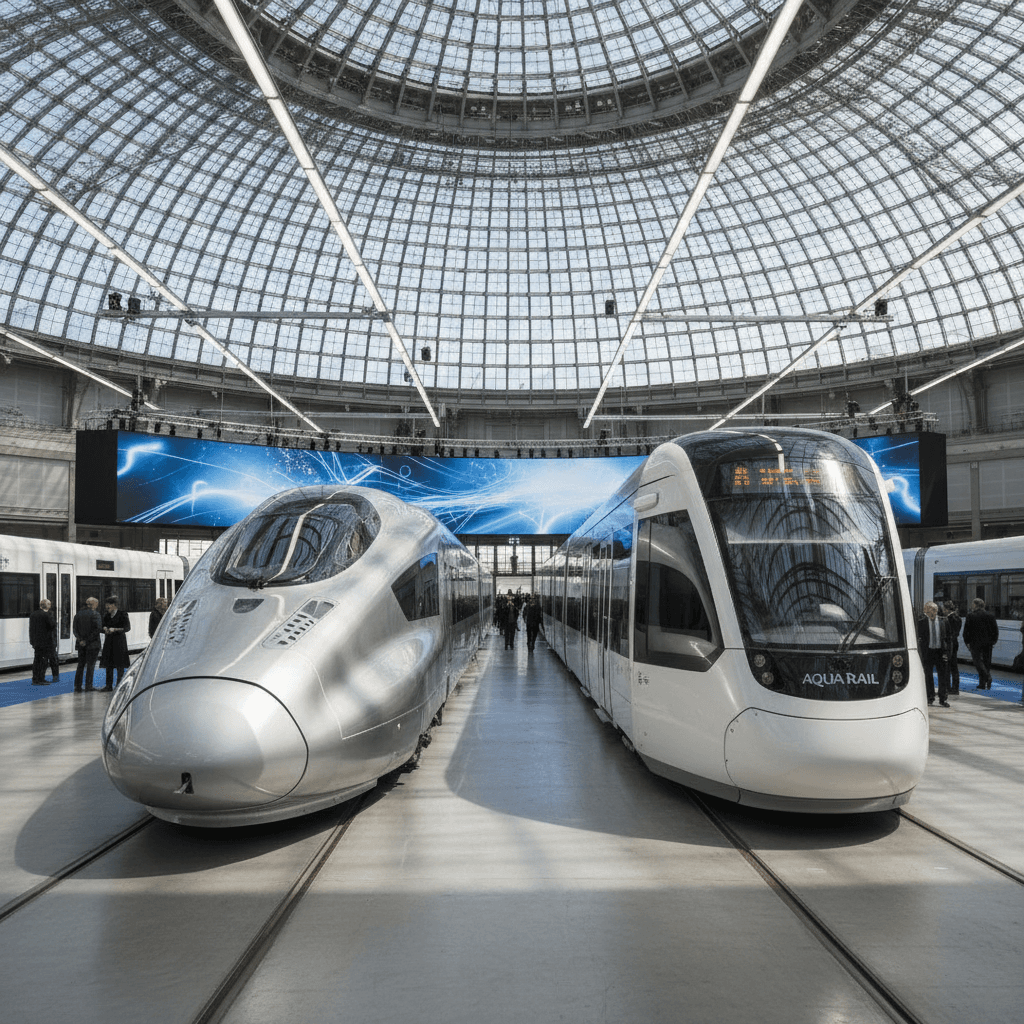
At the 15th InnoTrans trade fair in Berlin, South Korea's Hyundai Rotem presented a concept model of its next-generation high-speed train alongside an AI-based autonomous hydrogen-electric tram. The show ran from September 22 to 25 local time.
The two exhibits target very different markets. The high-speed train was shown publicly for the first time as a concept, while the hydrogen tram attempts to change two things at once: the powertrain (hydrogen fuel cell) and the operating model (autonomous driving). One is about faster intercity trunk lines; the other is about low-carbon urban transit.
For readers unfamiliar with the company: Hyundai Rotem is the rail vehicle and defense arm of Korea's Hyundai Motor Group, and it is the dominant domestic supplier of high-speed and metro rolling stock in South Korea.
Why this venue matters
InnoTrans is held in Berlin every two years and is the largest trade fair in the global rail industry. Unlike cars, rolling stock is bought by governments and public transit authorities, not individual consumers. That makes a show like this less a product launch than a credibility exercise ahead of tenders that will be decided over the following years.
Bringing both a high-speed concept and a tram makes sense in that light. Europe's rail vehicle market has long been shared among incumbents such as Alstom, Siemens Mobility and Stadler, and a challenger cannot win on price alone. Showing tangible hardware in areas European policy is actively pushing — hydrogen propulsion and automated operation — is a more persuasive entry point.
How it compares with rivals
Hydrogen rail is not a Hyundai Rotem invention. Alstom drew wide attention by putting hydrogen trains into regular service in Germany, and European operators have been weighing hydrogen and battery power as replacements for diesel units on non-electrified lines. What differentiates Hyundai Rotem's proposal is the pairing of hydrogen power with AI-based autonomous tram operation.
Trams are a harder autonomy problem than metros because they often share space with road traffic, which is why the industry has tended to commercialize driver-assist functions — obstacle detection, precise platform stopping — before full autonomy. The exact autonomy level and commercialization timeline of what was shown in Berlin cannot be pinned down from the available material, and national safety certification remains the real gatekeeper before any revenue service.
What changes on the ground
For Korean riders, the high-speed concept is the more immediately relevant item, since Hyundai Rotem supplies most of the country's high-speed and urban rail fleets. A concept revealed abroad can eventually feed into domestic specification discussions, though a concept model is by definition a statement of development direction rather than a fixed spec sheet.
The tram angle matters for a different reason. Several Korean cities have been pushing tram projects for years, and the recurring obstacle has been the cost and visual impact of overhead catenary. A hydrogen fuel cell tram that runs catenary-free would change the underlying business case for those projects. Whether cities actually adopt it depends on vehicle pricing, hydrogen refueling infrastructure and maintenance costs — none of which are settled.
The takeaway
This was a declaration of direction rather than a product on sale. In rail, though, such declarations often show up years later in tender results. Two things are worth tracking: how quickly the high-speed concept converges toward a production specification, and whether the hydrogen autonomous tram moves from the exhibition hall to a pilot line where it can accumulate real operating data.
Sources
- 현대로템, 獨 이노트란스서 차세대 고속철·자율주행 트램 공개 — view.asiae.co.kr
- 현대로템, 獨서 차세대 고속철 첫 공개 … AI 자율주행 트램도 선봬 — biz.newdaily.co.kr